Recipes, re-invented from cooking shows
Egg Yolk Raviolo with Pea and Ricotta, Cacio e Pepe (Demo)

Prep. Time:
Baking Time:
Total Time:
30 minutes (plus 30 minutes resting)
4–5 minutes
1 hour 15 minutes
Serves:
2 ravioli (2 servings)
Matthew Ryle created this dish for MasterChef UK Professionals Season 18. This egg yolk raviolo is a single, generous pasta parcel filled with a pea and ricotta mixture seasoned with mint and lemon zest, with a whole raw egg yolk nestled at its centre. Cooked at a gentle simmer for exactly four minu...
Read more
Ingredients
FOR THE FRESH PASTA DOUGH 00 flour (tipo 00) – 200g / 1⅓ cups Egg yolks – 6 large (~100g) Whole egg – 1 large (~50g) Olive oil – 1 tsp Fine salt – pinch
FOR THE PEA & RICOTTA FILLING Fresh or frozen peas – 100g / ¾ cup, blanched and cooled Fresh ricotta – 125g / ½ cup, drained well Parmesan, finely grated – 15g / 2 tbsp Fresh mint leaves – 3g / 6–8 leaves, finely chopped Lemon zest – ½ tsp / 1g, finely grated Salt and black pepper – to taste
FOR THE RAVIOLO ASSEMBLY Egg yolks (for filling) – 2 large, very fresh and unbroken Egg wash (beaten egg) – 1 egg
FOR THE CACIO E PEPE SAUCE Whole black peppercorns – 8g / 1 tbsp, to be toasted then cracked Unsalted butter – 30g / 2 tbsp Parmesan, finely grated – 30g / ⅓ cup Pecorino Romano, finely grated – 30g / ⅓ cup Starchy pasta water – ~60ml / ~½ ladle, reserved from cooking Parmesan – for finishing, shaved over the top
Method
MAKE THE PASTA DOUGH Mound the flour on a clean work surface and create a deep well in the centre. Add the 6 egg yolks, 1 whole egg, olive oil and salt to the well. Using a fork, gradually incorporate the flour from the inner walls of the well into the egg mixture, working outward until a shaggy dough forms. Knead firmly for 8–10 minutes until completely smooth, elastic and springy. Wrap tightly in cling film and rest at room temperature for at least 30 minutes (up to 2 hours). Resting relaxes the gluten and makes rolling dramatically easier. If short on time, high-quality fresh pasta sheets from an Italian deli work well.
TOAST THE PEPPERCORNS Spread the whole black peppercorns on a small baking tray. Toast in a preheated oven at 180°C / 350°F for 5 minutes. Oven-toasting intensifies their flavour far more than dry-frying, which can scorch unevenly. Once toasted, crack them coarsely using a mortar and pestle or the bottom of a heavy pan — you want rough, visible pieces, not fine powder. The cacio e pepe sauce depends on this pepper having genuine presence.
MAKE THE PEA & RICOTTA FILLING Blanch the peas in boiling salted water for 2 minutes, then refresh immediately in ice water and drain well. Place two-thirds of the peas in a bowl and partially crush them with a fork — not to a purée, but breaking most peas so they are rough and jammy with some whole pieces remaining. Whole, round peas create pressure points inside the raviolo that can puncture the pasta or cause the parcel to burst during cooking; partially breaking them down eliminates this risk while preserving texture. Mix the crushed peas with the drained ricotta, Parmesan, chopped mint, lemon zest, salt and pepper. The filling should be thick and cohesive, not wet. If the ricotta is watery, drain it in a fine-mesh sieve for 30 minutes first.
ROLL THE PASTA Divide the rested dough in half (keep the other half wrapped). Roll through the pasta machine, starting at the widest setting and progressively working down to the thinnest or second-thinnest setting — thin enough to cook through in 4 minutes but strong enough to hold the filling and yolk without tearing (approximately 1 mm / setting 1 or 2 on most machines). Cut into large squares, approximately 15 cm / 6 inches — cutting squares at this stage allows maximum room for sealing before trimming to a disc.
ASSEMBLE THE RAVIOLO Place a pasta square on a lightly floured surface. Spoon a generous mound of filling (about 3 tablespoons) into the centre, then use the back of a spoon to create a deep well in the filling. Very carefully separate an egg yolk and gently slide it into the well. The yolk must sit cradled in filling, not touching the pasta directly. Use the freshest eggs possible — fresher yolks have stronger membranes. Brush the exposed pasta border with egg wash. Place the second pasta square on top and seal meticulously, pressing outward from the filling to expel all trapped air. Any air pocket will expand during cooking and could burst the raviolo. Use the large round cutter to trim into a neat disc, leaving at least 2.5 cm / 1 inch of sealed border around the filling. Repeat for the second raviolo.
BEGIN THE CACIO E PEPE SAUCE In a wide, shallow pan over low heat, melt the butter. Add the cracked toasted peppercorns and let them infuse for 1–2 minutes — the butter should gently sizzle around the pepper. Combine the grated Parmesan and Pecorino Romano in a bowl. Do not add the cheese to the pan yet — the emulsification happens at the end, and the temperature must be carefully controlled to prevent the cheese from seizing into clumps. Authentic cacio e pepe has no cream — the emulsion comes entirely from starchy water, cheese and butter.
COOK THE RAVIOLO Bring a large pot of well-salted water to a gentle simmer — not a rolling boil, which will toss the raviolo and risk breaking it open. Carefully lower the ravioli into the water using a slotted spoon or spider. Cook for exactly 4 minutes. At 4 minutes the pasta is cooked, the filling is warmed through, and the yolk is just warm and perfectly runny. Before removing the ravioli, ladle out approximately 60ml / half a ladle of the starchy cooking water and reserve for the sauce.
FINISH THE SAUCE AND PLATE With the pepper butter pan on very low heat (or off the heat), add the reserved starchy pasta water and swirl to combine. Add the mixed cheeses a handful at a time, tossing and stirring constantly until you have a glossy, creamy emulsion that coats the back of a spoon. The pan must not be too hot — if the cheese hits high heat it will seize into grainy clumps rather than emulsifying. Gently lift the cooked ravioli from the water with a spider or large slotted spoon and place directly into the sauce. Spoon the sauce over and around, turning the raviolo gently to coat. Transfer to warm plates, finish with a final grating of Parmesan over the top and serve immediately. Cut into the raviolo at the table to reveal the warm, golden, perfectly runny yolk flowing into the cheese sauce.
What next?
Tell us what you'd like and we'll send what you pick.
Watch the video walkthrough →

Simpler recipe version
Printable recipe
Weekly recipe digest
Instructions
MAKE THE PASTA DOUGH
Mound the flour on a clean work surface and create a deep well in the centre. Add the 6 egg yolks, 1 whole egg, olive oil and salt to the well. Using a fork, gradually incorporate the flour from the inner walls of the well into the egg mixture, working outward until a shaggy dough forms. Knead firmly for 8–10 minutes until completely smooth, elastic and springy. Wrap tightly in cling film and rest at room temperature for at least 30 minutes (up to 2 hours). Resting relaxes the gluten and makes rolling dramatically easier. If short on time, high-quality fresh pasta sheets from an Italian deli work well.
TOAST THE PEPPERCORNS
Spread the whole black peppercorns on a small baking tray. Toast in a preheated oven at 180°C / 350°F for 5 minutes. Oven-toasting intensifies their flavour far more than dry-frying, which can scorch unevenly. Once toasted, crack them coarsely using a mortar and pestle or the bottom of a heavy pan — you want rough, visible pieces, not fine powder. The cacio e pepe sauce depends on this pepper having genuine presence.
MAKE THE PEA & RICOTTA FILLING
Blanch the peas in boiling salted water for 2 minutes, then refresh immediately in ice water and drain well. Place two-thirds of the peas in a bowl and partially crush them with a fork — not to a purée, but breaking most peas so they are rough and jammy with some whole pieces remaining. Whole, round peas create pressure points inside the raviolo that can puncture the pasta or cause the parcel to burst during cooking; partially breaking them down eliminates this risk while preserving texture. Mix the crushed peas with the drained ricotta, Parmesan, chopped mint, lemon zest, salt and pepper. The filling should be thick and cohesive, not wet. If the ricotta is watery, drain it in a fine-mesh sieve for 30 minutes first.
ROLL THE PASTA
Divide the rested dough in half (keep the other half wrapped). Roll through the pasta machine, starting at the widest setting and progressively working down to the thinnest or second-thinnest setting — thin enough to cook through in 4 minutes but strong enough to hold the filling and yolk without tearing (approximately 1 mm / setting 1 or 2 on most machines). Cut into large squares, approximately 15 cm / 6 inches — cutting squares at this stage allows maximum room for sealing before trimming to a disc.
ASSEMBLE THE RAVIOLO
Place a pasta square on a lightly floured surface. Spoon a generous mound of filling (about 3 tablespoons) into the centre, then use the back of a spoon to create a deep well in the filling. Very carefully separate an egg yolk and gently slide it into the well. The yolk must sit cradled in filling, not touching the pasta directly. Use the freshest eggs possible — fresher yolks have stronger membranes. Brush the exposed pasta border with egg wash. Place the second pasta square on top and seal meticulously, pressing outward from the filling to expel all trapped air. Any air pocket will expand during cooking and could burst the raviolo. Use the large round cutter to trim into a neat disc, leaving at least 2.5 cm / 1 inch of sealed border around the filling. Repeat for the second raviolo.
BEGIN THE CACIO E PEPE SAUCE
In a wide, shallow pan over low heat, melt the butter. Add the cracked toasted peppercorns and let them infuse for 1–2 minutes — the butter should gently sizzle around the pepper. Combine the grated Parmesan and Pecorino Romano in a bowl. Do not add the cheese to the pan yet — the emulsification happens at the end, and the temperature must be carefully controlled to prevent the cheese from seizing into clumps. Authentic cacio e pepe has no cream — the emulsion comes entirely from starchy water, cheese and butter.
COOK THE RAVIOLO
Bring a large pot of well-salted water to a gentle simmer — not a rolling boil, which will toss the raviolo and risk breaking it open. Carefully lower the ravioli into the water using a slotted spoon or spider. Cook for exactly 4 minutes. At 4 minutes the pasta is cooked, the filling is warmed through, and the yolk is just warm and perfectly runny. Before removing the ravioli, ladle out approximately 60ml / half a ladle of the starchy cooking water and reserve for the sauce.
FINISH THE SAUCE AND PLATE
With the pepper butter pan on very low heat (or off the heat), add the reserved starchy pasta water and swirl to combine. Add the mixed cheeses a handful at a time, tossing and stirring constantly until you have a glossy, creamy emulsion that coats the back of a spoon. The pan must not be too hot — if the cheese hits high heat it will seize into grainy clumps rather than emulsifying. Gently lift the cooked ravioli from the water with a spider or large slotted spoon and place directly into the sauce. Spoon the sauce over and around, turning the raviolo gently to coat. Transfer to warm plates, finish with a final grating of Parmesan over the top and serve immediately. Cut into the raviolo at the table to reveal the warm, golden, perfectly runny yolk flowing into the cheese sauce.


Relevant Videos
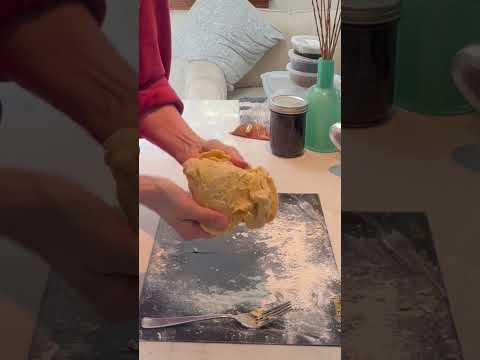
Making Fresh Pasta
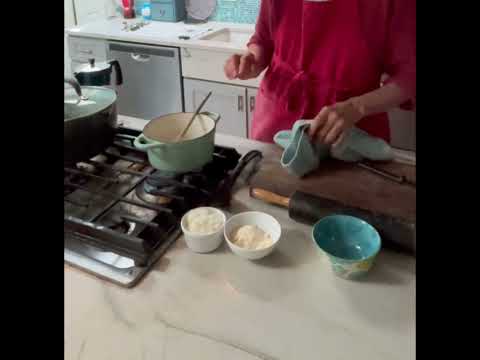
Cacio e Pepe Sauce
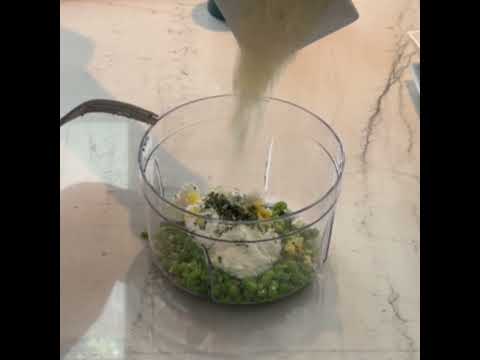
Filling Pasta Parcels
Ingredients
FOR THE FRESH PASTA DOUGH
00 flour (tipo 00) – 200g / 1⅓ cups
Egg yolks – 6 large (~100g)
Whole egg – 1 large (~50g)
Olive oil – 1 tsp
Fine salt – pinch
FOR THE PEA & RICOTTA FILLING
Fresh or frozen peas – 100g / ¾ cup, blanched and cooled
Fresh ricotta – 125g / ½ cup, drained well
Parmesan, finely grated – 15g / 2 tbsp
Fresh mint leaves – 3g / 6–8 leaves, finely chopped
Lemon zest – ½ tsp / 1g, finely grated
Salt and black pepper – to taste
FOR THE RAVIOLO ASSEMBLY
Egg yolks (for filling) – 2 large, very fresh and unbroken
Egg wash (beaten egg) – 1 egg
FOR THE CACIO E PEPE SAUCE
Whole black peppercorns – 8g / 1 tbsp, to be toasted then cracked
Unsalted butter – 30g / 2 tbsp
Parmesan, finely grated – 30g / ⅓ cup
Pecorino Romano, finely grated – 30g / ⅓ cup
Starchy pasta water – ~60ml / ~½ ladle, reserved from cooking
Parmesan – for finishing, shaved over the top
Comments, or questions, for this recipe
Add a new comment