Recipes, re-invented from cooking shows
Lemon Meringue Layer Cake

Prep. Time:
Baking Time:
Total Time:
1 hour 15 minutes
30 minutes (plus cooling and assembly)
Serves:
One 8-inch three-layer cake (12-14 servings)
For her very first Signature in the Bake Off tent, Cristy chose something deeply personal: a lemon meringue cake based on her mum's recipe. Her approach was characteristically bold—not just lemon, but three different expressions of lemon woven throughout: limoncello for boozy depth, fresh lemon juic...
Read more
Ingredients
FOR THE LEMON CURD (MAKE FIRST): 4 large egg yolks 2 large whole eggs 1 cup (200g) granulated sugar Zest of 3 lemons ¾ cup (180ml) fresh lemon juice (about 4-5 lemons) ½ cup (115g) unsalted butter, cold and cubed Pinch of fine sea salt
FOR THE LEMON SPONGE: 2½ cups (315g) all-purpose flour 2½ teaspoons baking powder ½ teaspoon fine sea salt 1 cup (225g) unsalted butter, softened 1¾ cups (350g) granulated sugar 4 large eggs, room temperature Zest of 3 lemons ¼ cup (60ml) fresh lemon juice 2 tablespoons limoncello 1 cup (240ml) buttermilk, room temperature 1 teaspoon vanilla extract
FOR THE LEMON BUTTERCREAM: 6 large egg whites 1½ cups (300g) granulated sugar Pinch of fine sea salt 2 cups (450g) unsalted butter, softened and cubed Zest of 2 lemons 3 tablespoons fresh lemon juice 2 tablespoons limoncello 1 teaspoon vanilla extract
FOR THE ITALIAN MERINGUE TOPPING: 4 large egg whites, room temperature 1 cup (200g) granulated sugar ¼ cup (60ml) water ¼ teaspoon cream of tartar Pinch of fine sea salt 1 teaspoon vanilla extract
FOR FINISHING: Lemon zest curls Fresh lemon slices, very thin (optional) Edible flowers (optional) Crushed freeze-dried lemon or lemon candy (optional)
Method
MAKE THE LEMON CURD (START FIRST—NEEDS TO CHILL): 1. Whisk egg yolks, whole eggs, and sugar in a medium saucepan until combined. Add lemon zest, lemon juice, and salt. 2. Cook over medium-low heat, whisking constantly, until mixture thickens enough to coat the back of a spoon and reaches 170-175°F (77-80°C), 10-12 minutes. Do not let it boil. 3. Remove from heat. Add cold butter a few pieces at a time, whisking until each addition is fully incorporated and curd is smooth and glossy. 4. Strain through a fine-mesh sieve into a bowl, pressing to extract all curd. This removes the zest and any bits of cooked egg. 5. Press plastic wrap directly onto the surface. Refrigerate until completely cold and set, at least 4 hours or overnight.
MAKE THE LEMON SPONGE: 6. Preheat oven to 350°F (175°C). Grease three 8-inch round cake pans and line bottoms with parchment. 7. Whisk together flour, baking powder, and salt in a medium bowl. 8. In a stand mixer with paddle attachment, cream butter and sugar until very light and fluffy, 4-5 minutes. Scrape down bowl. 9. Add eggs one at a time, beating well after each addition. Add lemon zest and beat until fragrant and well distributed. 10. Combine lemon juice, limoncello, buttermilk, and vanilla in a measuring cup. 11. Add flour mixture in three additions, alternating with buttermilk mixture (beginning and ending with flour), mixing on low just until combined after each addition. 12. Divide batter evenly among prepared pans (about 15 oz/425g each). Smooth tops. 13. Bake 25-28 minutes until golden, springy to touch, and a toothpick inserted in center comes out clean. 14. Cool in pans 10 minutes, then turn out onto wire racks to cool completely.
MAKE THE LEMON BUTTERCREAM: 15. Combine egg whites, sugar, and salt in the bowl of a stand mixer. Set over a pan of simmering water (bowl should not touch water). 16. Whisk constantly until sugar dissolves and mixture reaches 160°F (71°C)—it should feel completely smooth when rubbed between fingers. 17. Transfer bowl to stand mixer with whisk attachment. Beat on high until stiff, glossy peaks form and bowl is cool to touch, 10-12 minutes. 18. Switch to paddle attachment. With mixer on medium-low, add softened butter one tablespoon at a time, beating well after each. 19. Don't panic if it looks curdled—keep beating. It will come together into silky, smooth buttercream. 20. Add lemon zest, lemon juice, limoncello, and vanilla. Beat until smooth and fluffy. If too soft, refrigerate 15 minutes and beat again.
ASSEMBLE THE CAKE: 21. Level cake layers if domed, using a serrated knife. 22. Place first layer on cake plate or board. Spread a thin layer of buttercream (about ¾ cup), leaving a slight border. 23. Spoon about ½ cup lemon curd into the center. Spread gently—the buttercream acts as a dam to contain the curd. 24. Place second layer on top. Repeat buttercream and curd. 25. Top with final layer, bottom-side up for a flat top. 26. Apply a thin crumb coat of buttercream over entire cake. Refrigerate 30 minutes until firm. 27. Apply remaining buttercream in an even layer, reserving about 1 cup for touch-ups or piping if desired. Create a smooth finish or decorative swoops. 28. Refrigerate cake while preparing meringue.
MAKE THE ITALIAN MERINGUE TOPPING: 29. Place egg whites in a stand mixer bowl with whisk attachment. Add cream of tartar and salt but do not start mixing yet. 30. Combine sugar and water in a small saucepan. Stir to moisten sugar, then cook over medium-high heat without stirring until syrup reaches 240°F (116°C) on a candy thermometer. 31. When syrup reaches about 235°F (113°C), start whipping egg whites on medium-high until soft peaks form. 32. With mixer running on medium, carefully pour hot sugar syrup in a thin, steady stream down the side of the bowl (avoiding the whisk to prevent splattering). 33. Increase speed to high and beat until meringue is stiff, glossy, and bowl feels cool to touch, 7-10 minutes. Beat in vanilla.
TOP AND TORCH THE MERINGUE: 34. Remove cake from refrigerator. Pile meringue generously on top, using the back of a spoon or offset spatula to create dramatic peaks, swirls, and texture. 35. Hold blowtorch 3-4 inches from meringue. Move in slow, steady, overlapping strokes to brown evenly. Work from the top down, rotating the cake. Aim for golden-brown peaks with darker caramelized tips. 36. Alternative broiler method: Place cake under a hot broiler for 30-60 seconds, watching constantly and rotating for even browning.
FINISH THE CAKE: 37. Garnish with lemon zest curls, thin lemon slices, edible flowers, or crushed freeze-dried lemon if desired. 38. Serve within 3-4 hours for best meringue texture, or refrigerate and accept that meringue will soften slightly.
What next?
Tell us what you'd like and we'll send what you pick.
Watch the video walkthrough →

Simpler recipe version
Printable recipe
Weekly recipe digest
Instructions
MAKE THE LEMON CURD (START FIRST—NEEDS TO CHILL):
1. Whisk egg yolks, whole eggs, and sugar in a medium saucepan until combined. Add lemon zest, lemon juice, and salt.
2. Cook over medium-low heat, whisking constantly, until mixture thickens enough to coat the back of a spoon and reaches 170-175°F (77-80°C), 10-12 minutes. Do not let it boil.
3. Remove from heat. Add cold butter a few pieces at a time, whisking until each addition is fully incorporated and curd is smooth and glossy.
4. Strain through a fine-mesh sieve into a bowl, pressing to extract all curd. This removes the zest and any bits of cooked egg.
5. Press plastic wrap directly onto the surface. Refrigerate until completely cold and set, at least 4 hours or overnight.
MAKE THE LEMON SPONGE:
6. Preheat oven to 350°F (175°C). Grease three 8-inch round cake pans and line bottoms with parchment.
7. Whisk together flour, baking powder, and salt in a medium bowl.
8. In a stand mixer with paddle attachment, cream butter and sugar until very light and fluffy, 4-5 minutes. Scrape down bowl.
9. Add eggs one at a time, beating well after each addition. Add lemon zest and beat until fragrant and well distributed.
10. Combine lemon juice, limoncello, buttermilk, and vanilla in a measuring cup.
11. Add flour mixture in three additions, alternating with buttermilk mixture (beginning and ending with flour), mixing on low just until combined after each addition.
12. Divide batter evenly among prepared pans (about 15 oz/425g each). Smooth tops.
13. Bake 25-28 minutes until golden, springy to touch, and a toothpick inserted in center comes out clean.
14. Cool in pans 10 minutes, then turn out onto wire racks to cool completely.
MAKE THE LEMON BUTTERCREAM:
15. Combine egg whites, sugar, and salt in the bowl of a stand mixer. Set over a pan of simmering water (bowl should not touch water).
16. Whisk constantly until sugar dissolves and mixture reaches 160°F (71°C)—it should feel completely smooth when rubbed between fingers.
17. Transfer bowl to stand mixer with whisk attachment. Beat on high until stiff, glossy peaks form and bowl is cool to touch, 10-12 minutes.
18. Switch to paddle attachment. With mixer on medium-low, add softened butter one tablespoon at a time, beating well after each.
19. Don't panic if it looks curdled—keep beating. It will come together into silky, smooth buttercream.
20. Add lemon zest, lemon juice, limoncello, and vanilla. Beat until smooth and fluffy. If too soft, refrigerate 15 minutes and beat again.
ASSEMBLE THE CAKE:
21. Level cake layers if domed, using a serrated knife.
22. Place first layer on cake plate or board. Spread a thin layer of buttercream (about ¾ cup), leaving a slight border.
23. Spoon about ½ cup lemon curd into the center. Spread gently—the buttercream acts as a dam to contain the curd.
24. Place second layer on top. Repeat buttercream and curd.
25. Top with final layer, bottom-side up for a flat top.
26. Apply a thin crumb coat of buttercream over entire cake. Refrigerate 30 minutes until firm.
27. Apply remaining buttercream in an even layer, reserving about 1 cup for touch-ups or piping if desired. Create a smooth finish or decorative swoops.
28. Refrigerate cake while preparing meringue.
MAKE THE ITALIAN MERINGUE TOPPING:
29. Place egg whites in a stand mixer bowl with whisk attachment. Add cream of tartar and salt but do not start mixing yet.
30. Combine sugar and water in a small saucepan. Stir to moisten sugar, then cook over medium-high heat without stirring until syrup reaches 240°F (116°C) on a candy thermometer.
31. When syrup reaches about 235°F (113°C), start whipping egg whites on medium-high until soft peaks form.
32. With mixer running on medium, carefully pour hot sugar syrup in a thin, steady stream down the side of the bowl (avoiding the whisk to prevent splattering).
33. Increase speed to high and beat until meringue is stiff, glossy, and bowl feels cool to touch, 7-10 minutes. Beat in vanilla.
TOP AND TORCH THE MERINGUE:
34. Remove cake from refrigerator. Pile meringue generously on top, using the back of a spoon or offset spatula to create dramatic peaks, swirls, and texture.
35. Hold blowtorch 3-4 inches from meringue. Move in slow, steady, overlapping strokes to brown evenly. Work from the top down, rotating the cake. Aim for golden-brown peaks with darker caramelized tips.
36. Alternative broiler method: Place cake under a hot broiler for 30-60 seconds, watching constantly and rotating for even browning.
FINISH THE CAKE:
37. Garnish with lemon zest curls, thin lemon slices, edible flowers, or crushed freeze-dried lemon if desired.
38. Serve within 3-4 hours for best meringue texture, or refrigerate and accept that meringue will soften slightly.


Relevant Videos
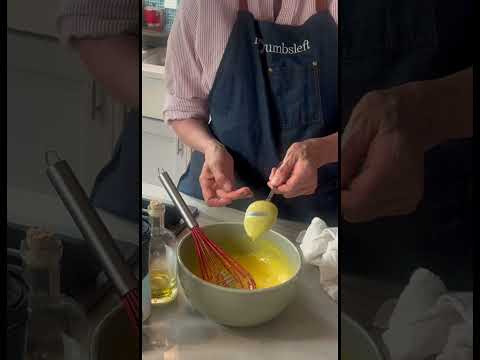
Lemon Curd
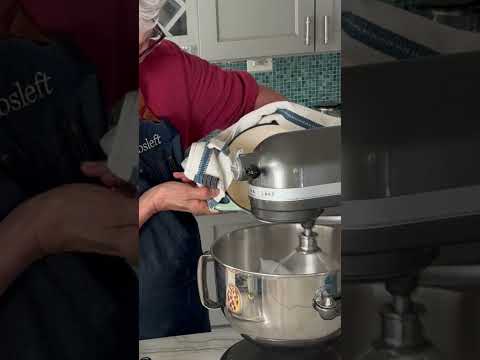
Italian Meringue
Ingredients
FOR THE LEMON CURD (MAKE FIRST):
4 large egg yolks
2 large whole eggs
1 cup (200g) granulated sugar
Zest of 3 lemons
¾ cup (180ml) fresh lemon juice (about 4-5 lemons)
½ cup (115g) unsalted butter, cold and cubed
Pinch of fine sea salt
FOR THE LEMON SPONGE:
2½ cups (315g) all-purpose flour
2½ teaspoons baking powder
½ teaspoon fine sea salt
1 cup (225g) unsalted butter, softened
1¾ cups (350g) granulated sugar
4 large eggs, room temperature
Zest of 3 lemons
¼ cup (60ml) fresh lemon juice
2 tablespoons limoncello
1 cup (240ml) buttermilk, room temperature
1 teaspoon vanilla extract
FOR THE LEMON BUTTERCREAM:
6 large egg whites
1½ cups (300g) granulated sugar
Pinch of fine sea salt
2 cups (450g) unsalted butter, softened and cubed
Zest of 2 lemons
3 tablespoons fresh lemon juice
2 tablespoons limoncello
1 teaspoon vanilla extract
FOR THE ITALIAN MERINGUE TOPPING:
4 large egg whites, room temperature
1 cup (200g) granulated sugar
¼ cup (60ml) water
¼ teaspoon cream of tartar
Pinch of fine sea salt
1 teaspoon vanilla extract
FOR FINISHING:
Lemon zest curls
Fresh lemon slices, very thin (optional)
Edible flowers (optional)
Crushed freeze-dried lemon or lemon candy (optional)
Comments, or questions, for this recipe
Add a new comment