Recipes, re-invented from cooking shows
Black Garlic Glazed Venison Loin with Beetroot

Prep. Time:
1 hour 30 minutes
Baking Time:
1 hour
Total Time:
2 hours 30 minutes
Serves:
4 portions
Luke Emmess created this dish for MasterChef UK Professionals Season 18. As Head Chef at The Wykeham Arms in Winchester, Luke presented this as his signature dish in Week 2 - an autumn plate built around a zero-waste beetroot philosophy: purple and yellow fondants, pickled trimmings, skins and off-c...
Read more
Often, our recipes are complicated, to achieve "television ready" dishes. If you would like a version you can easily make at home, please just ask. Leave your email and we'll notify you when it's ready!
Ingredients
FOR THE SHORTCRUST TARTLET CASES
130g (1 cup) plain flour, plus extra for dusting
pinch fine salt
60g (4 tbsp) cold unsalted butter, cubed
1 egg yolk
15-30ml (1-2 tbsp) ice-cold water
FOR THE PICKLED BEETROOT
150g (1 small) raw beetroot (purple or candy-stripe) -- or use fondant trimmings if available
120ml (1/2 cup) red wine vinegar
120ml (1/2 cup) water
40g (3 tbsp) caster sugar
3g (1/2 tsp) fine salt
2g (1/2 tsp) black peppercorns
1 bay leaf
FOR THE CHICKEN SKIN & TAPIOCA CRUMB
2 pieces chicken skin (from 2 breast supremes), scraped clean of fat
pinch flaked sea salt, for seasoning skin
240ml (1 cup) neutral oil (sunflower or grapeseed), for frying tapioca
30g (3 tbsp) small tapioca pearls, completely dry -- not large pearl
flaked sea salt, to taste, for seasoning tapioca immediately after frying
FOR THE PURPLE & YELLOW BEETROOT FONDANTS
3 medium purple beetroot, peeled -- reserve ALL skins and off-cuts for the jus
3 medium yellow beetroot, peeled -- cook in a separate pan to prevent colour bleed
45g (3 tbsp) unsalted butter
240ml (1 cup) vegetable or light chicken stock
3 fresh thyme sprigs
salt, to taste
FOR THE BEETROOT JUS
all reserved beetroot skins and off-cuts from the fondants
2 shallots, sliced
2 garlic cloves
120ml (1/2 cup) full-bodied red wine (Pinot Noir or Syrah)
3 fresh thyme sprigs
480ml (2 cups) good-quality veal or beef stock, ideally unsalted
15g (1 tbsp) cold unsalted butter, for mounting at the very end -- do not reboil
salt, to taste
FOR THE MAPLE VENISON TARTARE & QUAIL'S EGG TARTLET
140g (5oz) venison loin, reserved from below -- very cold; finely hand-diced 3-4mm, never minced
20g (1 small) banana shallot, very finely diced, briefly rinsed under cold water to remove rawness
5g (1 tsp) capers, finely chopped
3g (1/2 tsp) Dijon mustard
5ml (1 tsp) maple syrup -- FIX-IT: reduced from competition quantity; sweetness controlled
2-3ml (1/2 tsp) aged sherry vinegar -- FIX-IT: added to balance sweetness and lift the mineral quality of the raw venison
5ml (1 tsp) good olive oil
salt and white pepper, to taste
4 quail's eggs
FOR THE YEAST & BLACK GARLIC GLAZED VENISON LOIN
800g (~1 3/4 lb) venison loin (cannon), trimmed -- bring to room temperature 30 minutes before cooking; reserve 140g for the tartare above
15g (1 tbsp) yeast extract (Marmite)
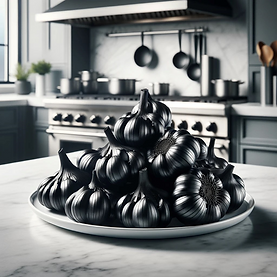
3 fermented black garlic cloves, pureed to a paste
30ml (2 tbsp) neutral oil (sunflower or grapeseed)
15g (1 tbsp) unsalted butter, for basting
4 fresh thyme sprigs
2 garlic cloves, smashed
salt and freshly ground black pepper, to taste
TO FINISH
small handful young beetroot leaves, washed and dried
5ml (1 tsp) good olive oil, to dress leaves
Why buy an expensive pot when you only need a pinch? We sell tiny quantities

Heading 5
For this recipe, you need:
amount
cost
Instructions
STEP 1: MAKE THE TARTLET CASES
Sift the flour and salt into a cold bowl. Rub in the cold butter with your fingertips until the mixture resembles fine breadcrumbs with no visible butter pieces. Add the egg yolk and enough ice-cold water, a teaspoon at a time, to bring the dough together into a smooth ball without overworking it. Wrap tightly in cling film and rest in the refrigerator for at least 30 minutes. Preheat the oven to 180C / 350F. On a lightly floured surface, roll the pastry to 2mm thickness. Carefully line four 6cm tartlet rings, pressing gently into the edges and trimming any overhang flush with the rim. Line each with a small square of baking parchment and fill with baking beans or dried pulses. Blind bake for 12 minutes, then remove the beans and parchment and return to the oven for a further 4-5 minutes until the bases are pale gold and completely dry. Cool on a wire rack before filling. Monica Galetti praised the pastry as 'really lovely' -- uniform 2mm thickness and a fully dried base are critical; underbaked pastry will go soggy on contact with the tartare.
STEP 2: MAKE THE PICKLED BEETROOT
Peel the beetroot and slice very thinly to 1-2mm rounds or julienne strips using a mandoline if available. Combine the red wine vinegar, water, sugar, salt, peppercorns, and bay leaf in a small saucepan and bring to the boil, stirring until the sugar dissolves. Pour the hot pickling liquor over the beetroot in a sterilised jar or heatproof container. Leave to cool to room temperature, then cover and refrigerate for at least 1 hour before serving. This component benefits from being made 1-2 days ahead -- it should be tangy, lightly sweet, and jewel-bright.
STEP 3: RENDER THE CHICKEN SKIN AND PUFF THE TAPIOCA
Preheat the oven to 200C / 390F. Lay the chicken skins flat on a parchment-lined baking tray, season lightly with flaked salt. Place a second sheet of parchment on top and weigh down with another baking tray to press the skin flat as it renders. Bake for 18-22 minutes until deeply golden, flat, and completely crisp. Drain on kitchen paper and crush into a rough crumb when cool. For the tapioca: heat the neutral oil in a small deep pan to 180C / 350F -- test with one pearl, which should puff to three times its size within seconds. Fry in small batches for 10-15 seconds until puffed and white, then drain on kitchen paper and season immediately with flaked sea salt while hot -- seasoning must happen while hot or it will not adhere. Combine the crushed chicken skin and puffed tapioca. Marcus Wareing identified this combination as providing 'a real nice kind of saltiness.' Store in an airtight container at room temperature if made ahead.
STEP 4: BUILD THE BEETROOT FONDANTS
Purple and yellow fondants must be cooked in separate pans -- the purple bleeds intensely and will stain the yellow. Peel the beetroot and cut or pare each one into a neat cylinder approximately 4cm tall by 3cm in diameter. Reserve every scrap of skin, off-cut, and trimming carefully for the jus. Heat one-third of the butter in a heavy-based pan over medium heat. Add the purple beetroot cylinders and colour well on all flat faces for 2-3 minutes each. Add half the stock, a thyme sprig, and a pinch of salt. Bring to a gentle simmer, partially cover, and cook for 20-25 minutes, basting occasionally, until completely tender and the stock has reduced to a glaze clinging to each cylinder. Repeat with the yellow beetroot in a separate pan with the remaining butter, stock, and thyme. Both varieties should be fork-tender but hold their shape and colour cleanly.
STEP 5: MAKE THE BEETROOT JUS
Heat a splash of neutral oil in a medium saucepan over medium-high heat. Add the shallots and garlic and cook until softened and lightly coloured, about 5 minutes. Add all reserved beetroot skins and off-cuts -- every scrap carries the deep earthy colour and flavour that defines the sauce. Stir and cook for 5 minutes, then deglaze with the red wine and reduce by half, letting the alcohol cook off. Add the thyme sprigs and stock. Bring to a gentle simmer and reduce by two-thirds over 25-35 minutes until deeply coloured, lightly syrupy, and coating the back of a spoon. Strain through a fine-mesh sieve, pressing the solids firmly. Return to a clean pan and reduce further if needed to a glossy, spoonable consistency. Season with salt. Just before serving, pull the pan off the heat and whisk in the cold butter cubes one at a time until the sauce is glossy and silky. Do not reboil after this point.
STEP 6: PREPARE THE TARTARE AND QUAIL'S EGGS
Keep the reserved venison very cold until the last possible moment, ideally working over a bowl set in ice. Using a sharp knife and a clean board, finely hand-dice the venison into neat 3-4mm cubes -- do not use a food processor, which warms and compresses the meat. In a cold bowl, combine the diced venison with the rinsed shallot, chopped capers, and Dijon mustard. Add just 1 teaspoon of maple syrup -- enough to provide the autumnal warmth Luke intended without allowing sweetness to dominate. Add the aged sherry vinegar, which cuts through the residual sweetness and lifts the mineral, iron-rich character of the raw venison. Add the olive oil, season with salt and white pepper, and mix gently. The tartare should read savoury-first, with a whisper of sweetness and a clean acidic finish. Refrigerate until plating. For the quail's eggs: bring a small pan of water to a rolling boil. Lower in the eggs with a spoon and cook for exactly 2 and a half minutes. Transfer immediately to ice water. Peel carefully just before serving.
STEP 7: SEAR AND GLAZE THE VENISON LOIN
Combine the yeast extract and pureed black garlic into a smooth paste and set aside. Pat the venison completely dry with kitchen paper -- any surface moisture will inhibit the sear. Season generously with salt and pepper on all surfaces. Heat the neutral oil in a cast-iron skillet over high heat until just smoking. Sear the venison hard without moving for 90 seconds, then rotate to colour all faces evenly, using tongs to hold the curved sides against the pan. Total sear time: 3-4 minutes. Reduce heat to medium, add the butter, thyme sprigs, and smashed garlic, and baste continuously for 1-2 minutes as the butter foams. Remove from heat. Using a pastry brush, apply the yeast-black garlic glaze over the entire surface in a single thin, even coat -- one careful brushing is the maximum. Transfer to a wire rack and rest, loosely tented with foil, for 5-7 minutes. Target internal temperature: 54-56C / 129-133F for medium-rare. Pull from the heat 2 degrees below target and allow carry-over to complete the cooking during the rest. Slice into 1.5-2cm medallions on a clean board just before plating.
STEP 8: PLATE AND SERVE
Work on warmed plates. Set 3-4 venison medallions in a gentle arc across the upper half of the plate, yeast-glazed surface facing up to show the deep mahogany colour. Position one purple and one yellow fondant alongside -- the colour contrast is a deliberate visual statement. Scatter 3-4 rounds of pickled beetroot for brightness and acidity. Fill the tartlet cases with the cold tartare at the very last moment, pressing lightly to fill. Halve a quail's egg and nestle it on top of the tartare in each tartlet. Place the tartlet adjacent to the venison -- distinct, not overlapping. Scatter the chicken skin and tapioca crumb at the base of the venison medallions. Dress a small cluster of beetroot leaves with a drop of olive oil and arrange at the apex of the plate. Spoon the beetroot jus around -- not over -- the venison, pooling generously at the base of the fondants. Serve immediately.




Comments, or questions, for this recipe
Add a new comment