top of page
Neapolitan Gnocchi:

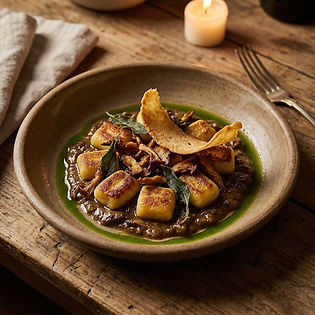
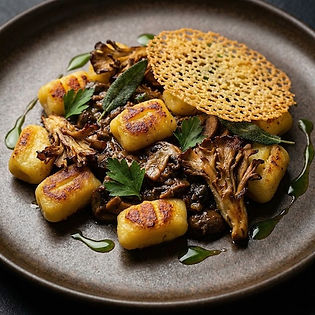
Neapolitan Flour-and-Water Gnocchi: The Original Before Potato. Long before potatoes arrived from the Americas in the 16th century, Italian cooks made gnocchi from flour and water alone — what Marcus Wareing called one of the first forms of pasta ever made in houses. The technique uses boiling water poured into a flour-and-semolina mix, which partially gelatinises the starch and creates a more pliable, forgiving dough than cold water would. The result is fundamentally different from potato gnocchi: chewier, firmer, and more substantial, sitting halfway between gnocchi and pasta. Kneading while the dough is still warm is essential — as Matt Tebbutt noted, letting it cool makes it dense and lumpy. The dough needs a firm 8–10 minute knead until smooth and elastic, followed by a 30-minute rest to relax the gluten. When shaping, the thumb-drag across the board creates the characteristic hollow and curl — the nooks and crannies Marcus praised for absorbing ragù. The final sautéing step is what elevates this dish: boiled gnocchi are fried in hot oil until a golden crust forms on the outside while the interior stays yielding and chewy, creating the textural contrast that made every judge take notice.

bottom of page