Shaping Baked Goods

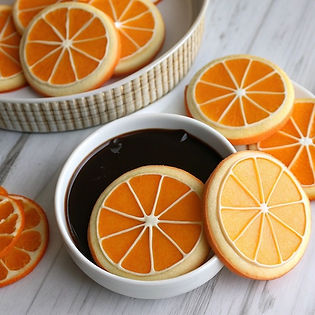
Prue Leith's enthusiastic observation that Leighton managed the orange beautifully and these look amazing very clever demonstrates how visual representation through strategic dough assembly creates memorable bakes that delight judges and guests before first bite is taken. The orange slice biscuit technique represents sophisticated approach to decorative baking where final appearance isn't applied as decoration after baking but instead built into structure through careful assembly of differently colored and positioned dough components. This requires both artistic vision to imagine how cross-section should appear and technical execution to achieve clean result. Leighton's orange slice construction involved several strategic decisions: dividing base dough into portions that would become different visual elements (orange flesh center and white peel exterior), coloring one portion vibrant orange using combination of orange and yellow gel food coloring to achieve realistic citrus hue while leaving other portion natural to represent peel, shaping orange portion into log representing flesh and rolling white portion into rectangle that would wrap around as peel, creating segment divisions by cutting partway through assembled log before final chilling, and adding authentic detail of white membrane lines using fondant or modeling chocolate pressed into divisions. Each decision contributed to final realistic appearance that earned Prue's clever recognition. The technique of visual representation through assembly extends beyond Leighton's orange slices to numerous creative possibilities: watermelon cookies using pink center with green exterior and chocolate chip seeds, kiwi slices with green dough center and brown peel edge with black sesame seeds, tree ring cookies using concentric circles of different colored doughs, checkerboard patterns alternating vanilla and chocolate, pinwheel spirals created by rolling two colors together, or bull's-eye targets using centered circles. The fundamental principle remains consistent: envision desired cross-section appearance, create separate dough portions in appropriate colors, shape and assemble portions so their arrangement creates intended pattern when sliced, and chill thoroughly before slicing to maintain clean definition between elements. Technical challenges include preventing colors from bleeding together during assembly requiring firm chilled doughs, maintaining shapes during wrapping or stacking without distortion requiring gentle confident handling, achieving clean slices without smearing requiring very sharp knife and wiping between cuts, and ensuring all dough portions bake evenly despite different colors requiring similar thickness and consistent oven temperature. Leighton's charming moment of self-doubt where it's a carrot was quickly resolved by recognizing distinctive orange appearance demonstrates how successful visual representation should be immediately recognizable leaving no doubt about intended subject. The appeal of these representational bakes lies in surprise and delight factor: guests expect standard cookie or biscuit but discover clever visual representation creating memorable moment, and each slice reveals same pattern demonstrating consistency and skill rather than one-off decoration. For competitions or special occasions, visual representation allows bakers to demonstrate both creativity in concept and precision in execution earning praise like Prue's amazing very clever that recognizes both artistic vision and technical achievement. The investment of time in careful assembly and chilling pays dividends in final presentation creating bakes that photograph beautifully, generate conversation, and demonstrate sophisticated approach to decorative baking that goes beyond simple frosting or sprinkles to integrate decoration into fundamental structure of baked good itself.