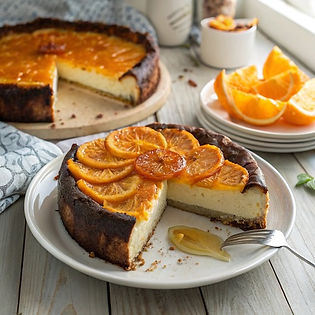
The Zesting Problem: Why Proper Technique Prevents Bitterness

Paul Hollywood's critique of Iain's orange and cardamon basque cheesecake was precise and damning: "It's almost on the bitter side. It's like you are grating away and sort of got most of the pith and not much of the zest." This identifies the most common citrus zesting mistake. Orange pith—the white spongy layer beneath the bright outer zest—contains limonin, an intensely bitter compound. When Prue added "You've got a lot of zest in there. I think it's a bit too much," she compounded the problem: too much zest AND improper technique created overwhelming bitterness.
The fix requires both restraint and skill. Use a Microplane or fine grater held at an angle, grating only the bright orange outer layer. Rotate the fruit as you work and stop immediately when you see white—that's pith. For this recipe, three oranges maximum provides sufficient flavor without bitterness. If you accidentally include pith, you cannot fix it—the bitterness permeates everything. Practice on one orange first, learning where zest ends and pith begins. The difference between bright citrus flavor and bitter disappointment is literally paper-thin.