Saffron: Flavour and Colour

Saffron: Flavour and Colour Combined
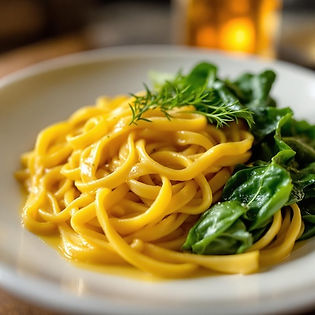
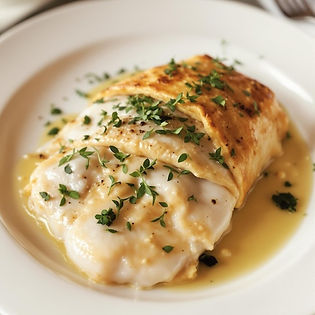
Unlike most natural food dyes, saffron contributes both a rich golden-yellow hue and a distinctive floral, honey-like flavour, making it unique among natural colorants. Just a small pinch of high-quality saffron threads, bloomed in warm liquid for ten to fifteen minutes, will fully release both its pigments and aromatics. The resulting infusion can be stirred into risotto, pasta dough, broths, cream sauces, or bread. Using saffron purely for colour without accounting for its flavour can overpower delicate preparations, so choose dishes where its taste is welcome. Store saffron in a sealed container away from light and heat to preserve potency.
Saffron is the dried stigma of the Crocus sativus flower — the world's most expensive spice by weight, requiring hundreds of thousands of hand-harvested threads per pound. Its flavour is floral, honeyed, and subtly earthy, with a vivid golden-yellow colour that stains anything it touches. In cooking, saffron demands restraint: even a small pinch can perfume an entire dish. Too much quickly becomes medicinal and overpowering — a flaw explicitly called out by a judge on America's Culinary Cup when saffron dominated Malyna Si's fried chicken glaze.
For home cooks, always bloom saffron first: steep a small pinch in two tablespoons of warm (not boiling) water or stock for 10 minutes before adding to your dish. This releases both colour and aroma more evenly than dropping threads directly into a pot.